Overview of essential SEC disclosure for timely reporting of material corporate events
Legal terms · Securities Law · Form 8-K
Highlights
- Form 8-K discloses material corporate events like M&A, leadership changes, and bankruptcy within four business days.
- Materiality is the most challenging aspect of Form 8-K compliance, requiring a careful, fact-specific legal analysis.
- A disclosure committee and clear internal reporting system help legal teams catch and file reportable events on time.
For in-house counsel, mastering the nuances of Form 8-K is not just about compliance; it’s about managing risk and upholding the principles of sound corporate governance.
In this article, we will delve into some essential information about Form 8-K, its requirements, and the key aspects that corporate legal teams should focus on.
Jump to ↓
Key aspects for corporate legal teams
Best practices for Form 8-K compliance
More resources from attorney editors

Cryptocurrency and Digital Assets
Practical Law Connect provides expert insights to help you navigate a range of practice areas, including cryptocurrency and digital assets.
Access report ↗
What is Form 8-K?
Form 8-K is a report that publicly traded companies must file with the SEC to disclose significant events or changes that may affect their financial condition, results of operations, or business prospects.
These events can include:
- Changes in corporate governance or management: This includes the departure or election of directors, the appointment or departure of principal officers such as the CEO, CFO, or COO, or amendments to the company’s articles of incorporation or bylaws.
- Mergers and acquisitions: Any definitive agreement for a merger, acquisition, or disposition of significant assets must be reported. This disclosure provides investors with critical information about strategic shifts in the company’s operations. A detailed guide on the due diligence for such transactions can be found in this [M&A legal due diligence guide — LINK NEEDED].
- Financial statements and exhibits: This can include the announcement of earnings results often filed under Item 2.02, or the filing of material exhibits with the report.
- Regulatory events: Notices of delisting or failure to satisfy a continued listing rule or standard, or the transfer of a listing, are significant events that must be disclosed. Understanding the latest trends in regulatory compliance is essential for legal teams.
- Material agreements: This includes entering into, amending, or terminating a material definitive agreement not made in the ordinary course of business. These are contracts that have a significant impact on the company.
- Bankruptcy or receivership: The commencement of bankruptcy or receivership proceedings is a critical event for investors and must be reported immediately.
The SEC’s EDGAR database provides public access to all Form 8-K filings, allowing investors and corporate legal teams to stay up-to-date on significant events.
Filing requirements
Companies must file Form 8-K within four business days after the occurrence of a reportable event. The report must include a brief description of the event, as well as any relevant exhibits or attachments.
Failure to file Form 8-K may give rise to company liability under Section 10(b) and Rule 10b-5 of the Exchange Act, which prohibit material misstatements and omissions in connection with the purchase or sale of securities
The SEC’s Form 8-K instructions provide detailed guidance on the filing requirements and the types of events that must be reported.
Key aspects for corporate legal teams
When reviewing and preparing Form 8-K filings, corporate legal teams should focus on these key aspects:
Materiality
This is the most critical and often the most challenging aspect of Form 8-K reporting.
The legal standard for materiality, established in cases like TSC Industries, Inc. v. Northway, Inc., defines information as material if there is a “substantial likelihood that the disclosure of the omitted fact would have been viewed by the reasonable investor as having significantly altered the ‘total mix’ of information made available.” This requires a careful, fact-specific analysis.
Timeliness
Verifying that the company has filed the report within the required four-business-day timeframe is non-negotiable. Late filings can attract SEC scrutiny and damage
Disclosure
The report must provide clear, concise, and accurate disclosure of the event. Ambiguous or misleading language can be as damaging as a failure to file.
The goal is to provide investors with enough information to understand the significance of the event without overwhelming them with boilerplate or irrelevant details.
To learn how to generate form 8-K language, watch our CoCounsel Legal training video for Generate Form 8-K Language workflow.
Compliance
Confirm that the company has complied with all applicable SEC rules and regulations, including the Securities Exchange Act of 1934. This includes ensuring the correct Item number is used for the event being reported.
Best practices for Form 8-K compliance
To ensure robust compliance with Form 8-K requirements, corporate legal teams should consider the following best practices:
Establish a disclosure committee
A dedicated committee, comprising members from legal, finance, investor relations, and senior management, can help ensure that potential 8-K events are identified, evaluated, and reported appropriately. This committee can be instrumental in making materiality judgments.
Develop a reporting system
Implement a clear internal system to track and report significant events in a timely and accurate manner. This should include clear lines of communication for escalating information to the legal team and the disclosure committee.
Provide clear and accurate disclosure
Ensure that the report provides a complete and accurate picture of the event. This involves working closely with the business units involved to gather all relevant facts. For complex issues, leveraging expert analysis can be invaluable.
Regularly review and update policies
The regulatory landscape is constantly evolving. Regularly review and update company policies and procedures to ensure they align with current SEC rules and best practices. This includes providing training to key personnel on their disclosure obligations.
Form 8-K is a critical component of a public company’s disclosure obligations. It provides investors and the market with timely and essential information, fostering transparency and confidence.
By understanding the requirements, focusing on key aspects like materiality, and implementing robust internal processes, corporate legal teams can effectively manage their company’s Form 8-K reporting, ensure compliance with SEC rules, and support informed decision-making.
More resources from attorney editors
Get access to how-to resources maintained by our attorney-editors below when you sign up for a Practical Law free trial, or shop plans.
Practice Notes
Standard Documents
Standard Clauses
Checklists
- Events and Transactions Triggering a Form 8-K Filing Chart
- Form 8-K Reporting and Filing Deadlines Chart
CoCounsel Legal
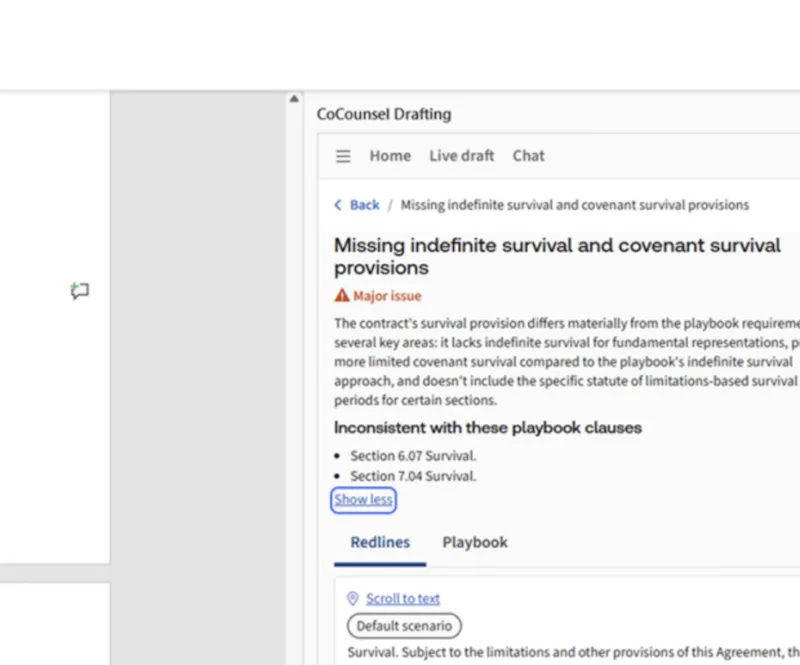
Review documents in bulk for policy compliance, analyze multiple agreements at once, and receive clear reports outlining compliance issues and recommended term revisions.<br />
Learn how ↗