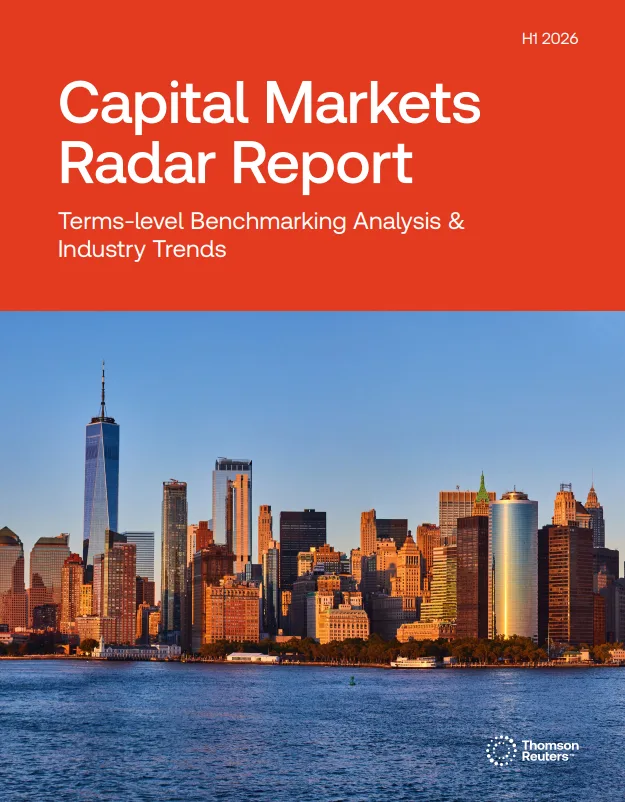
H1 2026 deal terms show creditors becoming more aggressive in their liability management protections. Do you know what that means for your next negotiation?
Highlights
- H1 2026 loan terms show creditors strengthening liability management protections, with almost every major covenant term reaching a new record.
- J. Crew blockers now appear in half of deals, while LME omniblockers quadrupled since 2025 but remain rare at 4%.
- Borrower-friendly flexibility terms also climbed, and the 2028–2029 maturity wall may soon shape deal language.
H1 2026 deal terms show creditors becoming more aggressive in their liability management protections. Do you know what that means for your next negotiation?
Creditor protections spiked in Q3 2025 and eased in Q4. H1 2026 shows that was a pause, not a peak.
Noetica, part of Thomson Reuters, has been tracking over a dozen covenant terms over several quarters and the data is startling: Almost every major term reached a new record in H1 2026. The numbers matter, but the pattern underneath them matters more, and it should change how you approach your next negotiation.
Jump to ↓
Lenders are planning for the downside
Layered protections on the way to replace one-off fixes
Why one protection fell while the rest rose
Three questions for the second half
Get the full H1 2026 Capital Markets Radar Report
Lenders are planning for the downside
Creditors have stopped treating bankruptcy as a tail scenario. They’re pricing it as the starting assumption and negotiating accordingly. The clearest signal is J. Crew blocker language, which now appears in half of deals, above its previous high in Q3 2025. That isn’t a rebound. It’s the market moving past where it left off.
For borrowers, the practical read is direct: terms that looked like aggressive lender asks a year ago are becoming the standard. Anything drafted off a pre-2026 precedent is already out of date.
Layered protections on the way to replace one-off fixes
Creditors are looking for alternatives to reactionary fixes and trying to close every trap door at once. LME “omniblockers”, designed to prevent all types of liability management exercises quadrupled in popularity between 2025 and H1 2026. While still rare at 4% of deals, this approach is gaining popularity and is one creditors and issuers should pay attention to. The next liability management deal to make headlines will need a genuinely new structure, not a variation on an old one. Creditors long hamstrung by their inability to predict what those structures will look like are increasingly turning to omniblocker terms.
Why one protection fell while the rest rose
Not every term followed the trend. Lien subordination, the consent right that exists to stop uptier deals like Serta’s, was 2025’s biggest mover, peaking at 84% of deals in Q3. It then fell for two straight quarters to 53% and has only partly recovered, to 65% in Q2 2026. The Supreme Court’s decision not to review the Serta ruling may have made the protection look redundant. But the day the Fifth Circuit ruled against Serta, a New York court let a nearly identical deal at Mitel stand because of how its purchase language was drafted. Precedent sets the rule, but drafting decides which side of it you land on. Borrowers still have room to trade
While creditors are winning the protection fight, it hasn’t been free. Borrower-friendly flexibility terms climbed too, including market capitalization dividend terms, which allow borrowers to pay dividends and make other restricted payments based on a percentage of the company’s market capitalization. This term hit a record in Q2 2026, the same quarter equity markets did. The Noetica H1 Capital Markets Radar Report explains why lenders may be willing to accept it.
Three questions for the second half
Bond yields are at their highest level in decades, and equity markets are near all-time highs. Three questions will shape the second half:
- Will blanket protections keep gaining on specific ones, and what gaps might that leave behind?
- Will the concentration of equity and credit capital in fewer firms create conflicting incentives on terms across the capital stack?
- Will the 2028–2029 maturity wall start showing up in deal language, instead of as background rationale for lender asks?
That wall is less than two years out. The deals you negotiate this year will still be live when it arrives and these terms will matter more than ever.
Get the full H1 2026 Capital Markets Radar Report
The conclusions above are only part of the story. The full report puts the data behind them in your hands: quarter-by-quarter trendlines for all 13 terms since 2023, the advisors who negotiate each term most often, and recent deals pulled from SEC filings. Use it to see where your next deal sits against the market before the other side does.
Download the full H1 2026 Capital Markets Radar Report today.